
Where desert silence meets the Atlantic
Namibia’s Wild and Mysterious Coast
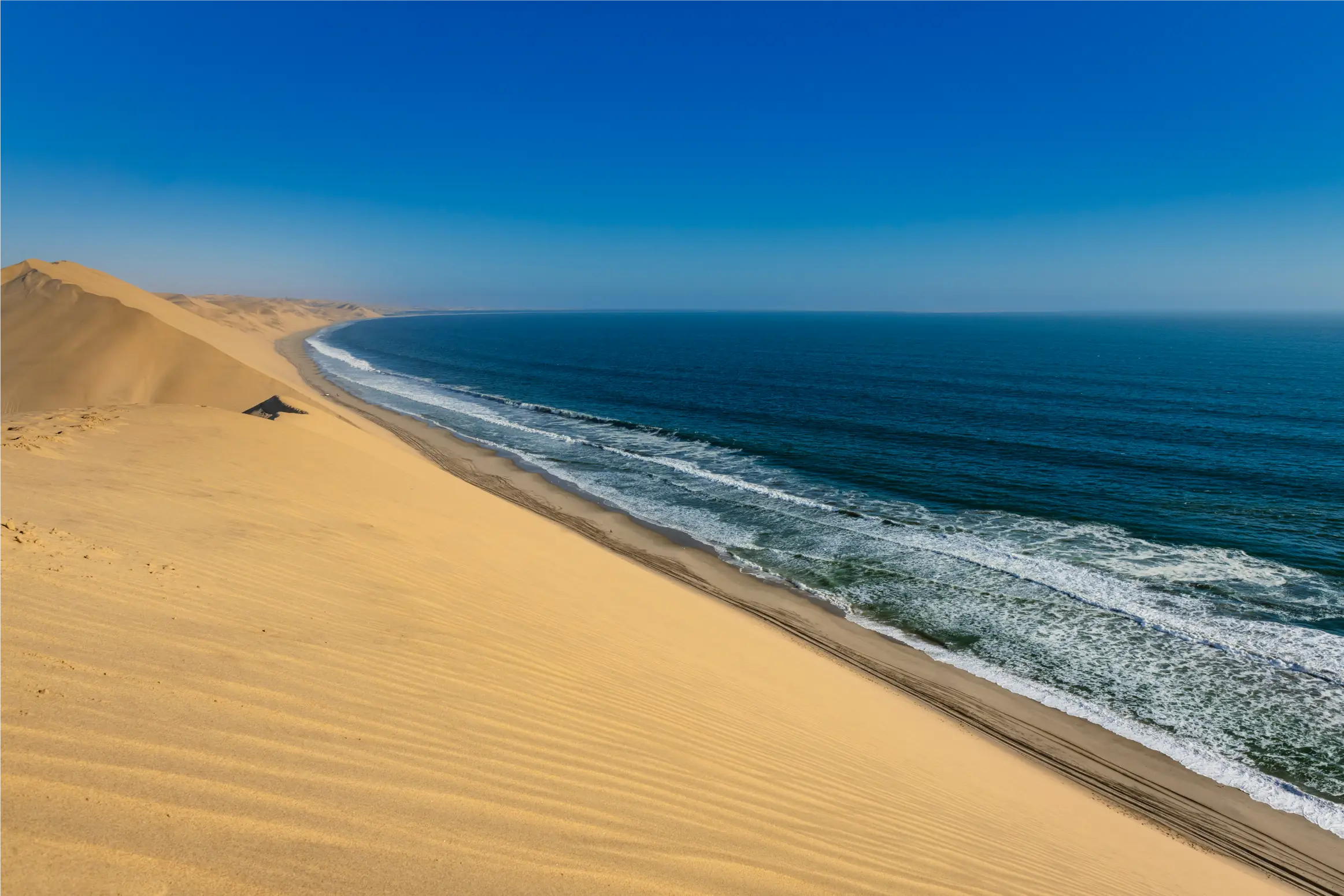
Africa at Heart invites you to discover Skeleton Coast National Park, a vast protected wilderness on Namibia’s remote north-western shore. Here, the Namib Desert reaches the Atlantic in a landscape of wind-shaped dunes, pale gravel plains, dry riverbeds and cold ocean mist. Shipwrecks and weathered traces of earlier journeys add to the sense of mystery, but the coast’s true power lies in its scale, silence and untamed beauty.
Dense fog rolls inland from the Benguela Current, bringing life-giving moisture to lichens and desert-adapted plants. Beyond the beaches, ephemeral rivers and rugged valleys create refuge for wildlife able to survive in this demanding environment. A journey here is less about ticking off sightings and more about experiencing one of Southern Africa’s last great wildernesses.
Location:
Make An Enquiry
Tell us what you’re dreaming of, and we’ll guide you through options at your own pace. No pressure, just friendly advice from people who know Africa well.
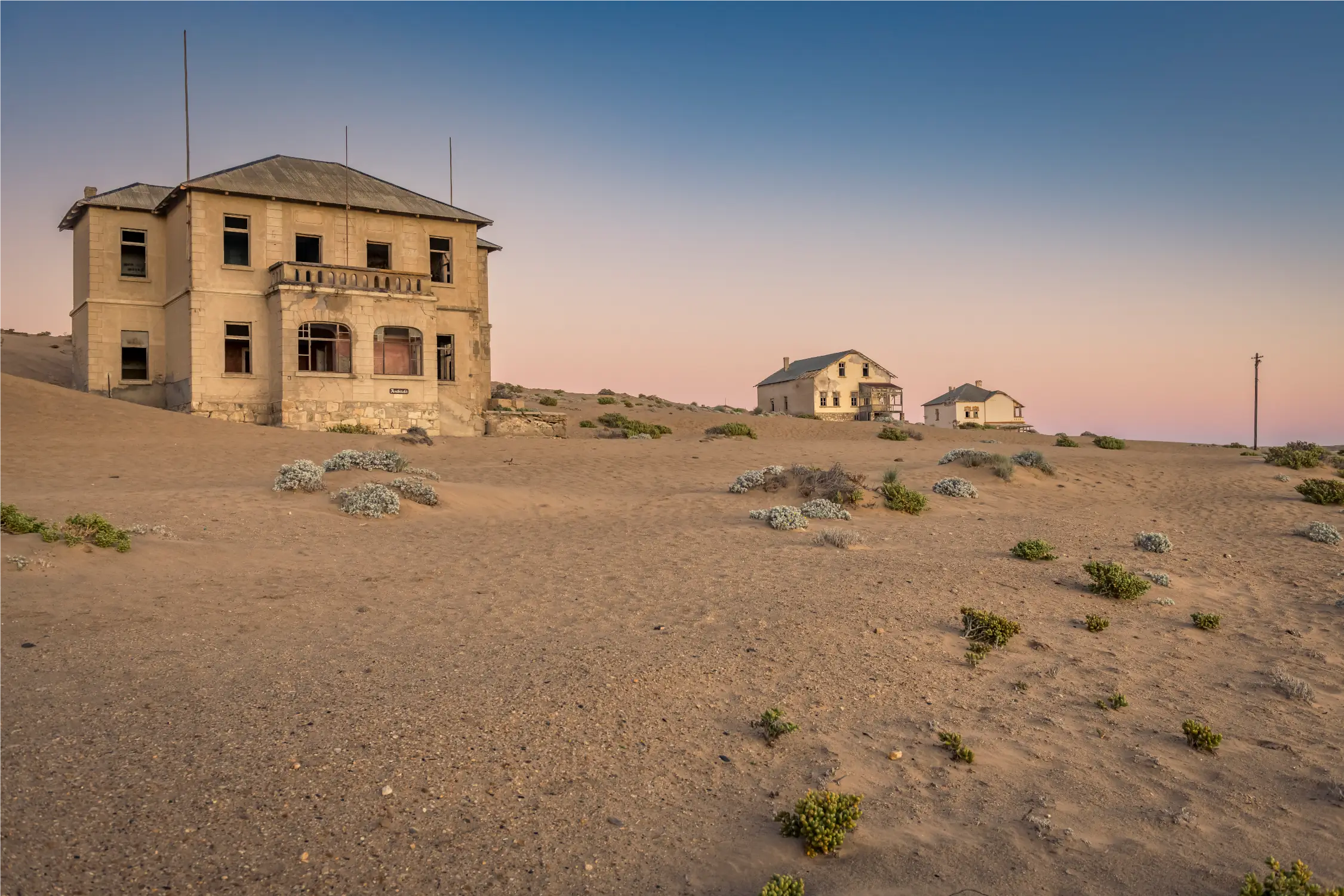
A Wilderness Shaped by Fog, Wind and Time
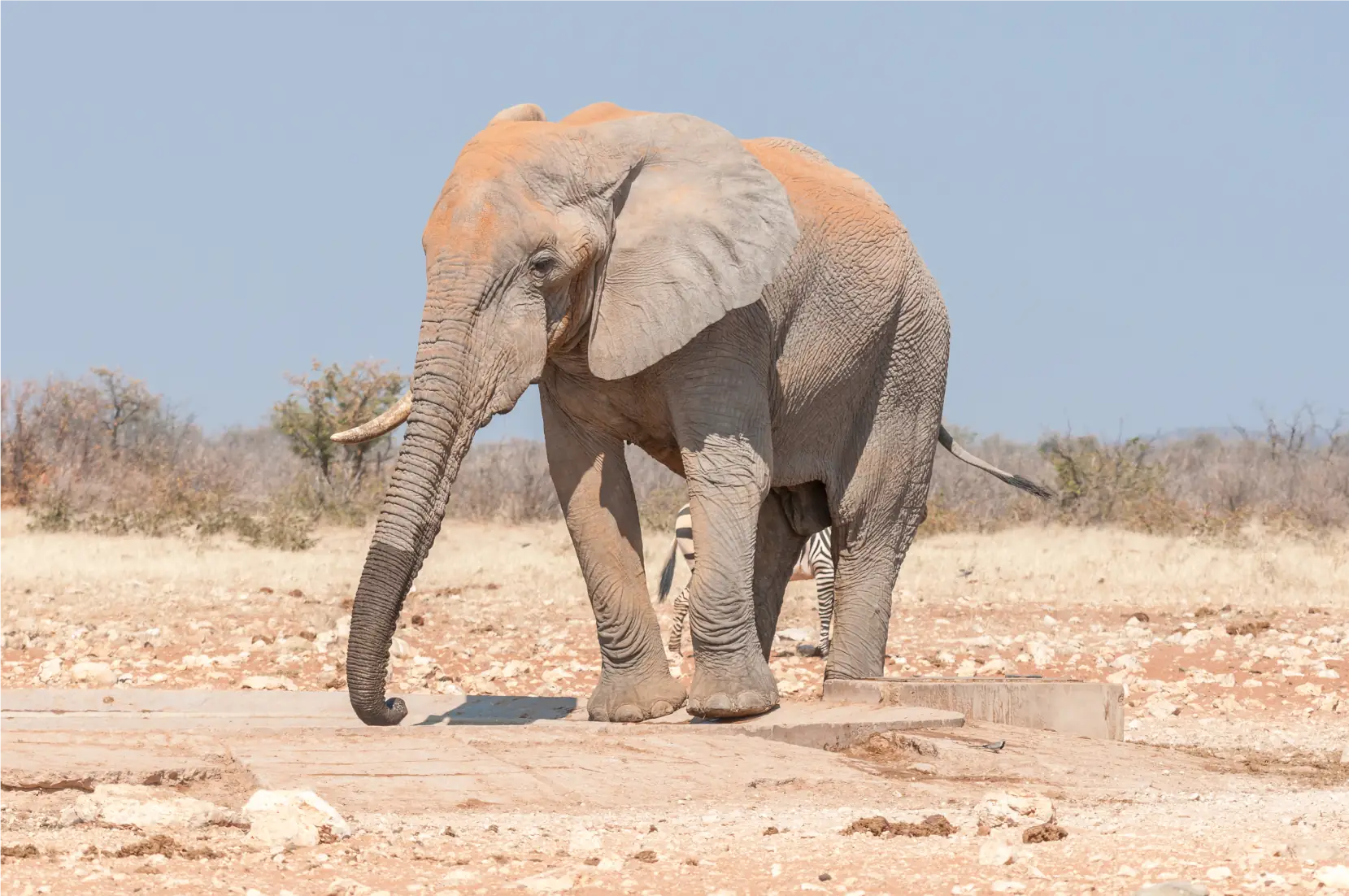
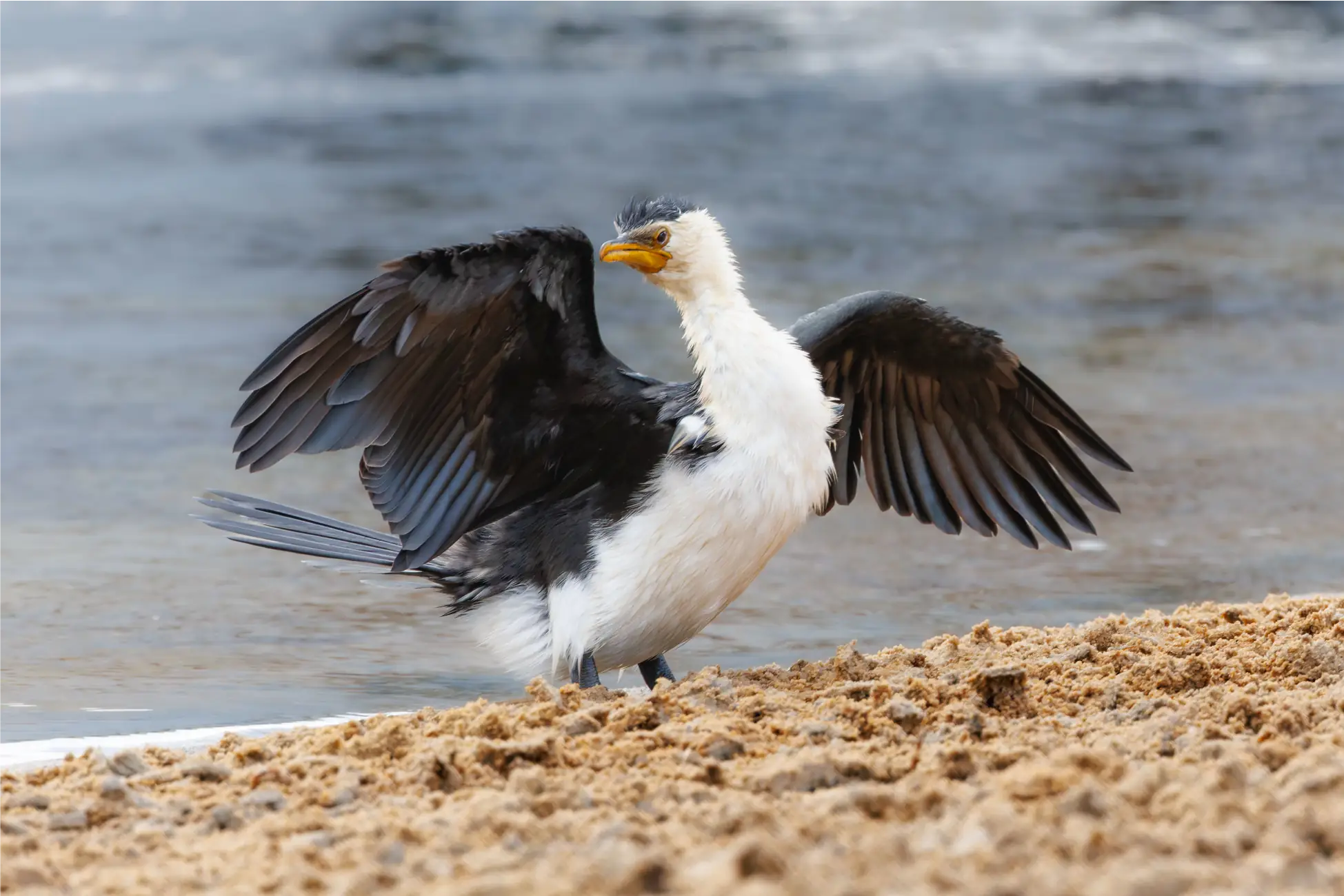
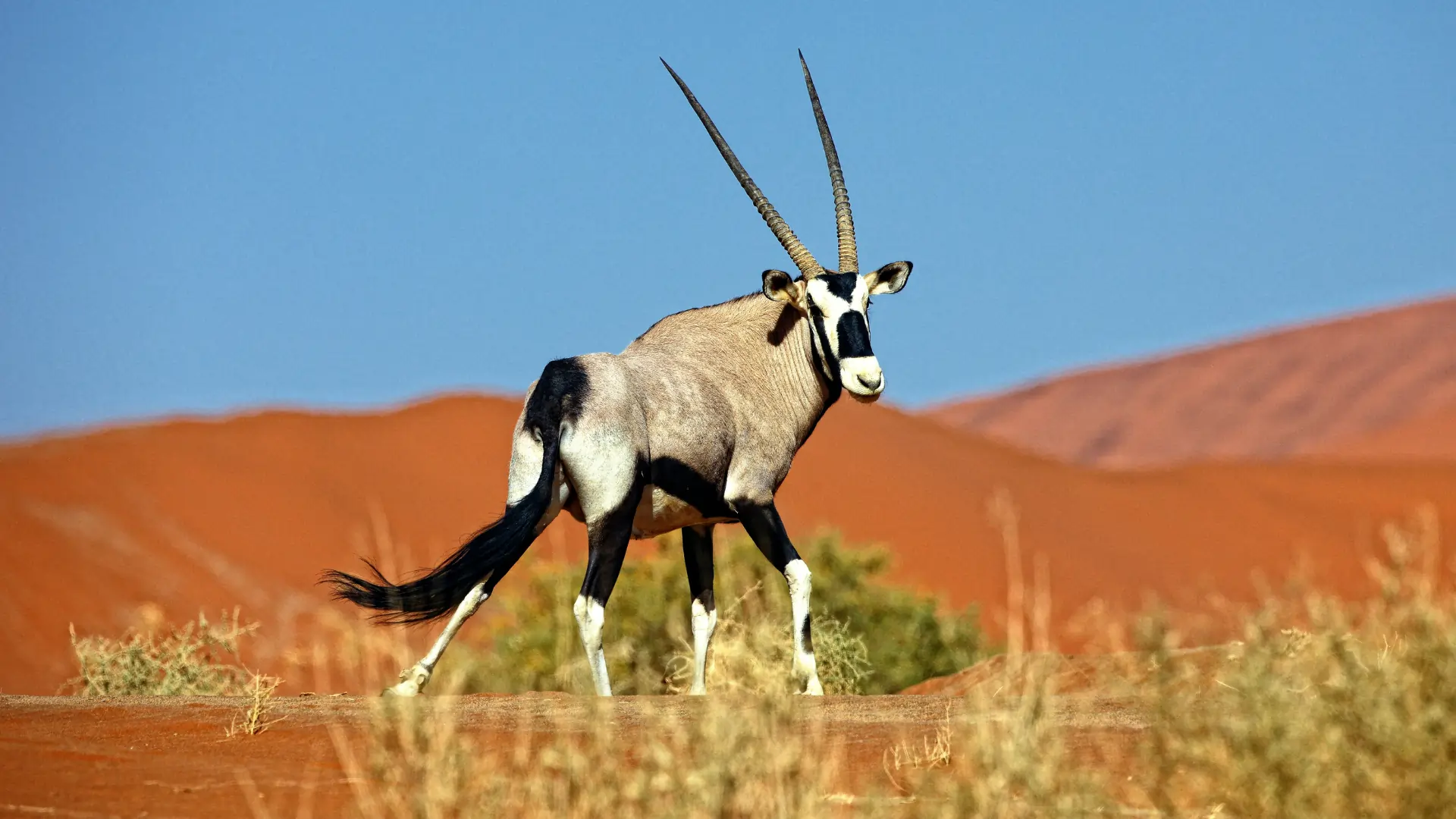
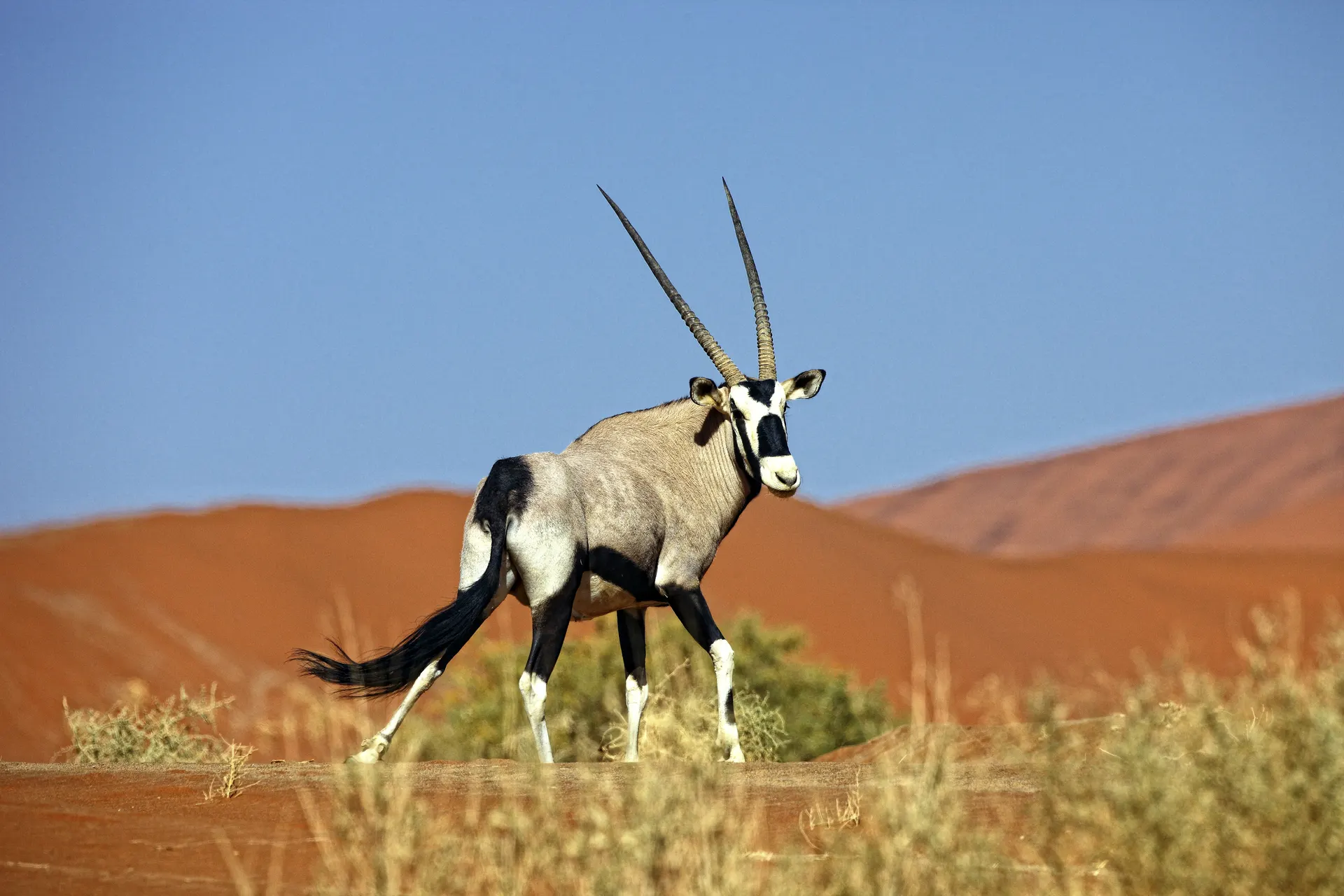
Skeleton Coast rewards travellers who are drawn to remote landscapes and slow, immersive exploration. Travel with an expert guide through stark coastal scenery, pause at historic shipwreck remains and look for the subtle signs of life that reveal how resilient this ecosystem is. Depending on the route, you may encounter springbok, oryx, jackal, brown hyena, seabirds and, in the inland river systems, desert-adapted elephant or other wildlife. Sightings are never guaranteed, and that unpredictability is part of the experience.
The park stretches for roughly 500 kilometres from the Ugab River to the Kunene River. Access is controlled to protect its fragile landscapes, particularly the lichen fields and remote northern wilderness. For most visitors, the best experience is a carefully planned guided journey that combines the coast with Damaraland, Swakopmund, Cape Cross or Etosha.
Additional Information
-
What Your Skeleton Coast Safari Can Include
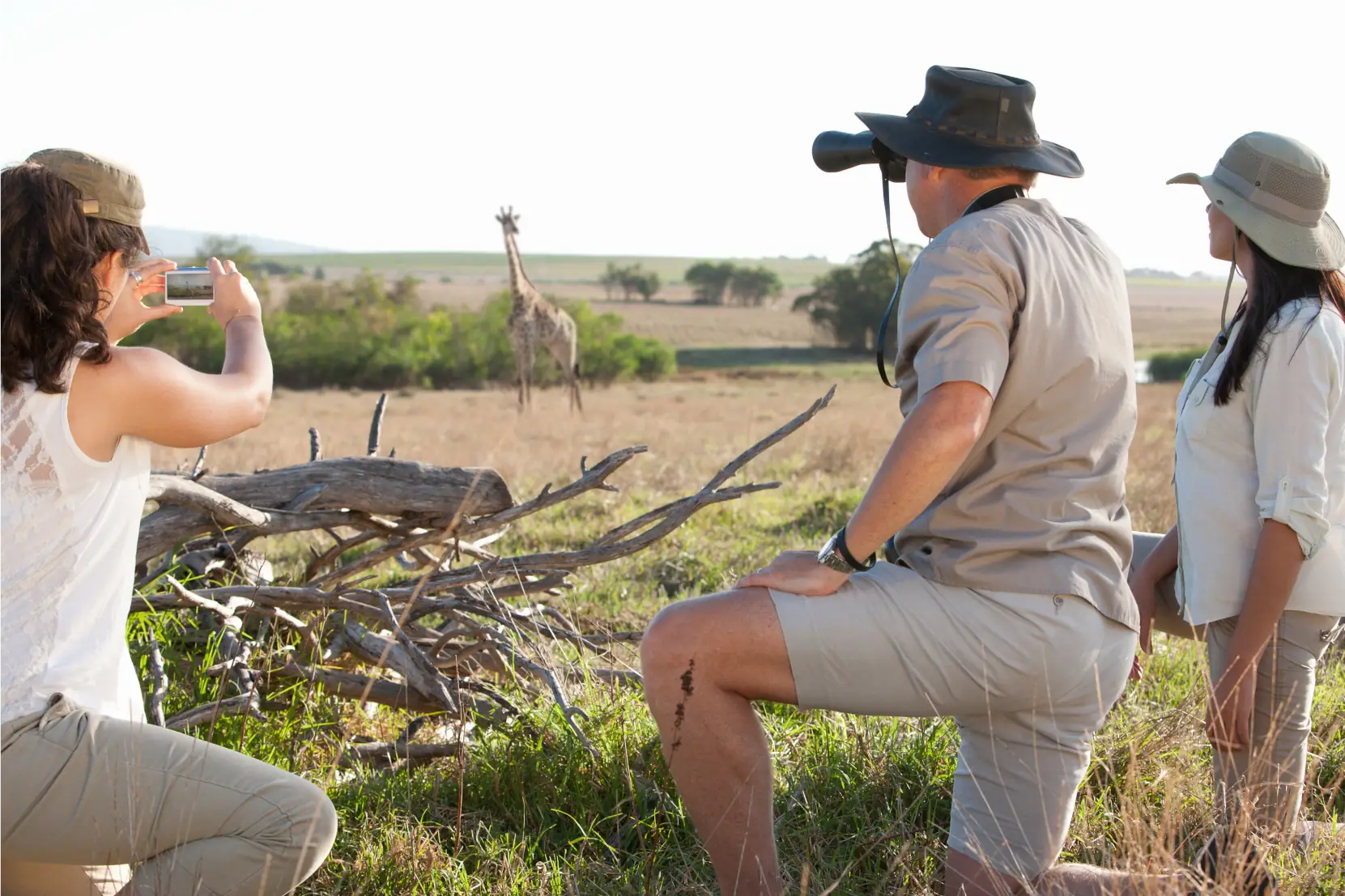
Guided 4×4 exploration: Travel approved routes with an experienced guide who understands the park’s access requirements, fragile terrain and rapidly changing coastal conditions.
Shipwreck and landscape photography: Photograph fog-bound beaches, sweeping gravel plains, dunes, weathered structures and accessible shipwreck remains. The exact stops depend on the chosen route and current access.
Wildlife and birding: Look for springbok, oryx, jackal, brown hyena, seabirds and other desert-adapted wildlife. Encounters are naturally unpredictable in such a vast wilderness.
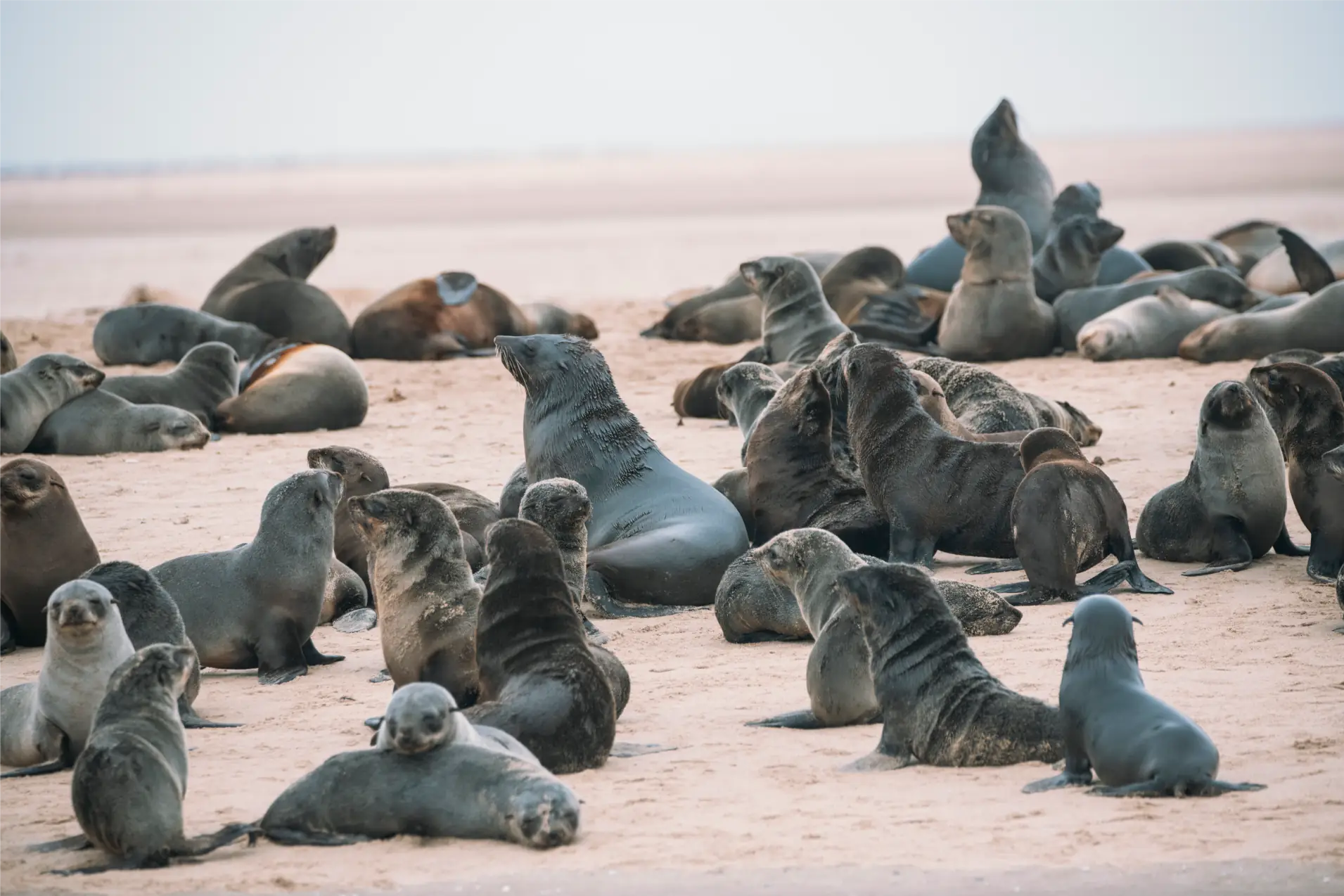
Cape Cross Seal Reserve: Where it suits the itinerary, combine the journey with a visit to this separate protected reserve and important Cape fur seal breeding colony south of the park.
Scenic flight option: For travellers seeking a wider perspective, a flight can reveal the immense meeting of desert and ocean, subject to supplier availability, weather and the confirmed itinerary.
-
Why Visit Skeleton Coast National Park
Few destinations feel as remote and elemental as Skeleton Coast. The attraction is not a conventional checklist of landmarks; it is the atmosphere created by ocean fog, desert light, immense open space and the visible traces of people and vessels that once encountered this uncompromising shore.
The park also protects an unexpectedly rich desert ecosystem. Lichen fields, ephemeral riverbeds, coastal wetlands and hardy vegetation support wildlife that has adapted to extreme conditions. It is an outstanding choice for photographers, experienced safari travellers and anyone who values solitude, conservation and landscapes that feel genuinely wild.
-
Planning and Access
Skeleton Coast is remote and access is controlled. The southern section can be reached by road under the applicable booking and permit conditions, while the far northern wilderness is generally accessed through specialist concession or fly-in arrangements. Exact entry rules, park hours, accommodation availability and route permissions should always be reconfirmed when the trip is booked.
Distances are long, services are limited and coastal weather can change quickly. Travel with a properly prepared guide, remain on approved roads and tracks, and avoid disturbing lichen fields, wildlife or sensitive coastal habitats. A thoughtfully paced itinerary is safer, more comfortable and far more rewarding than trying to rush through the region.
-
Skeleton Coast Frequently Asked Questions
What is the best time to visit Skeleton Coast?
Skeleton Coast can be visited throughout the year, but the best timing depends on the rest of your Namibia itinerary. The coast is often cool, windy and foggy because of the Atlantic and the Benguela Current, even when inland Namibia is warm. Many travellers choose May to October so the journey combines well with Namibia’s dry-season wildlife viewing. Availability, road conditions and access arrangements are just as important as the month, so we confirm the best route when planning your trip.
Is Skeleton Coast suitable for children?
It can be a wonderful experience for older children who enjoy nature, photography and adventure. However, the region involves long driving distances, remote accommodation and fewer conventional family facilities than destinations such as Swakopmund or Etosha. A private itinerary allows us to adjust daily travel times, stops and accommodation around your children’s ages and interests.
Can the itinerary be customised?
Yes. Skeleton Coast journeys can be adapted around your available time, comfort level and preferred balance of road travel, wildlife, photography and scenic exploration. We can also combine the coast with Damaraland, Swakopmund, Cape Cross, Etosha or other parts of Namibia, subject to permits, accommodation and supplier availability.
What fitness level is required?
Most Skeleton Coast itineraries are vehicle-based and require a low to moderate level of fitness. You should be comfortable getting in and out of a 4×4 and walking short distances on sand, gravel or uneven ground. Longer guided walks are optional and can be included only when suitable for your mobility and the confirmed route.
How do you reach Skeleton Coast National Park?
The park is remote and access varies by section. The southern area is reached by road under the relevant booking and permit conditions, while the far northern wilderness is generally visited through specialist concession or fly-in arrangements. We plan transport, accommodation and park access together so that the journey is safe and realistic.
What wildlife might we see?
Possible sightings include springbok, oryx, jackal, brown hyena, seabirds and other animals adapted to the desert and coast. Desert-adapted elephant, lion and rhino occur in the wider north-western ecosystem and river corridors, but they are elusive and should never be promised. Skeleton Coast is best approached as a wilderness and landscape experience, with wildlife encounters as a special bonus.
Will we see shipwrecks?
Shipwrecks are an important part of the region’s story, and some remains can be seen from accessible routes or from the air. Many wrecks are extremely remote, partly buried or outside normal visitor access. The exact sites included will depend on the itinerary, weather and current permissions.
Is Cape Cross part of Skeleton Coast National Park?
Cape Cross Seal Reserve is a separate protected area south of Skeleton Coast National Park. It is often included in the same coastal journey and is considered a gateway to the park. Its Cape fur seal colony and coastal birdlife make it a valuable addition, but the two protected areas should be described separately for accuracy.
How many nights should we allow?
For most road-based itineraries, allow at least two to three nights for the Skeleton Coast section, excluding time in Swakopmund or Damaraland. Longer expeditions or fly-in journeys allow a deeper experience and reduce the feeling of rushing across large distances. We will recommend a practical length once the full Namibia route is known.
What should I pack?
Pack lightweight layers, a warm fleece or jacket, a windproof outer layer, comfortable closed shoes, sun protection and a hat that fits securely in coastal wind. Binoculars and a camera are highly recommended, together with protection for equipment from sand and moisture. Bring personal medication and a reusable water bottle, as shops and services are limited in the park.
Skeleton Coast Safaris with Africa at Heart
Skeleton Coast works beautifully within a wider Namibia journey, especially alongside Damaraland, Swakopmund and Etosha. Tell us how much time you have and the balance of wildlife, photography and wilderness you prefer, and we will design a private itinerary around the safest and most rewarding available route.