
Step Into the Wild, One Footstep at a Time
Walking Safaris: See Africa Up Close on Foot
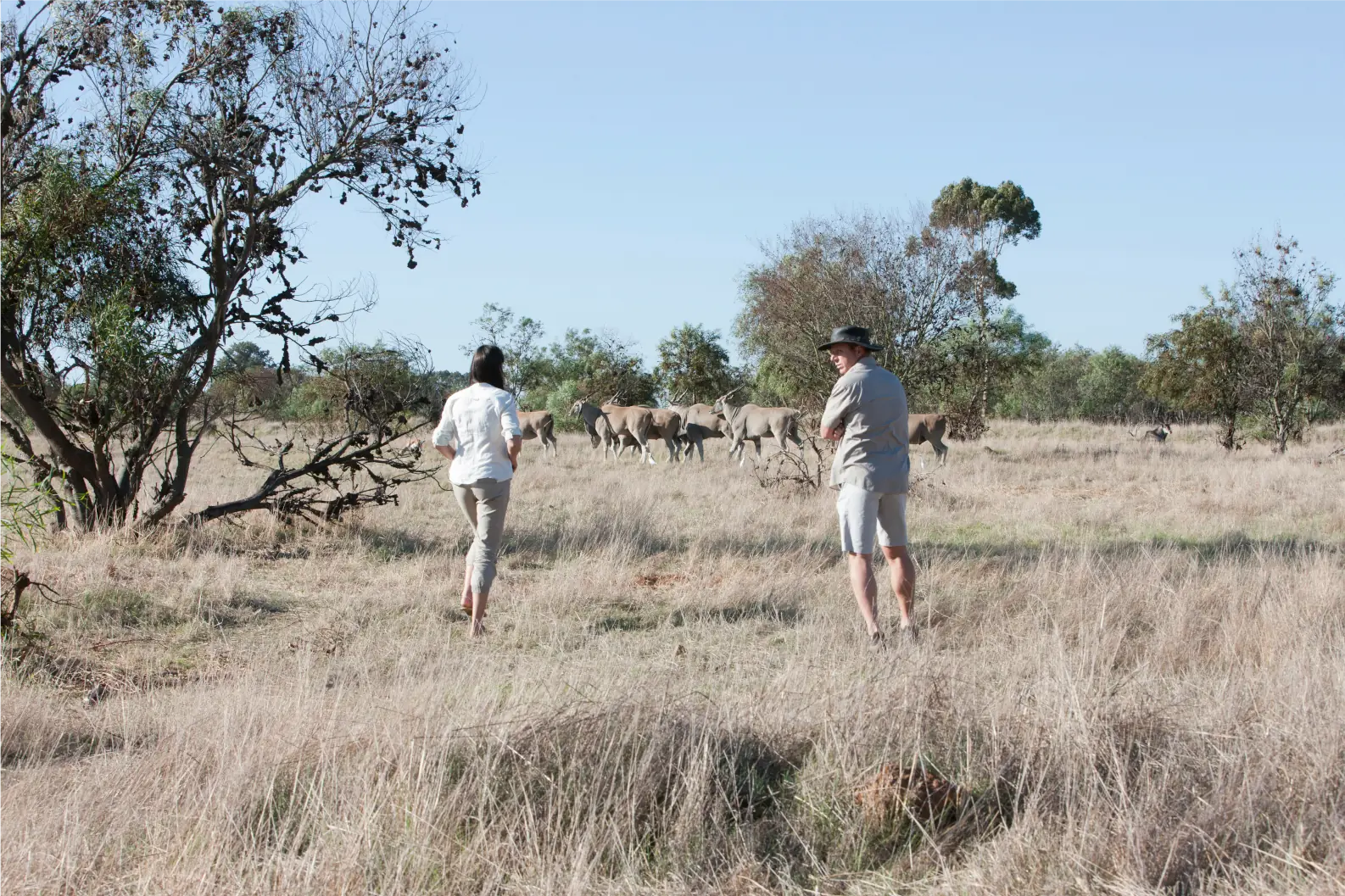
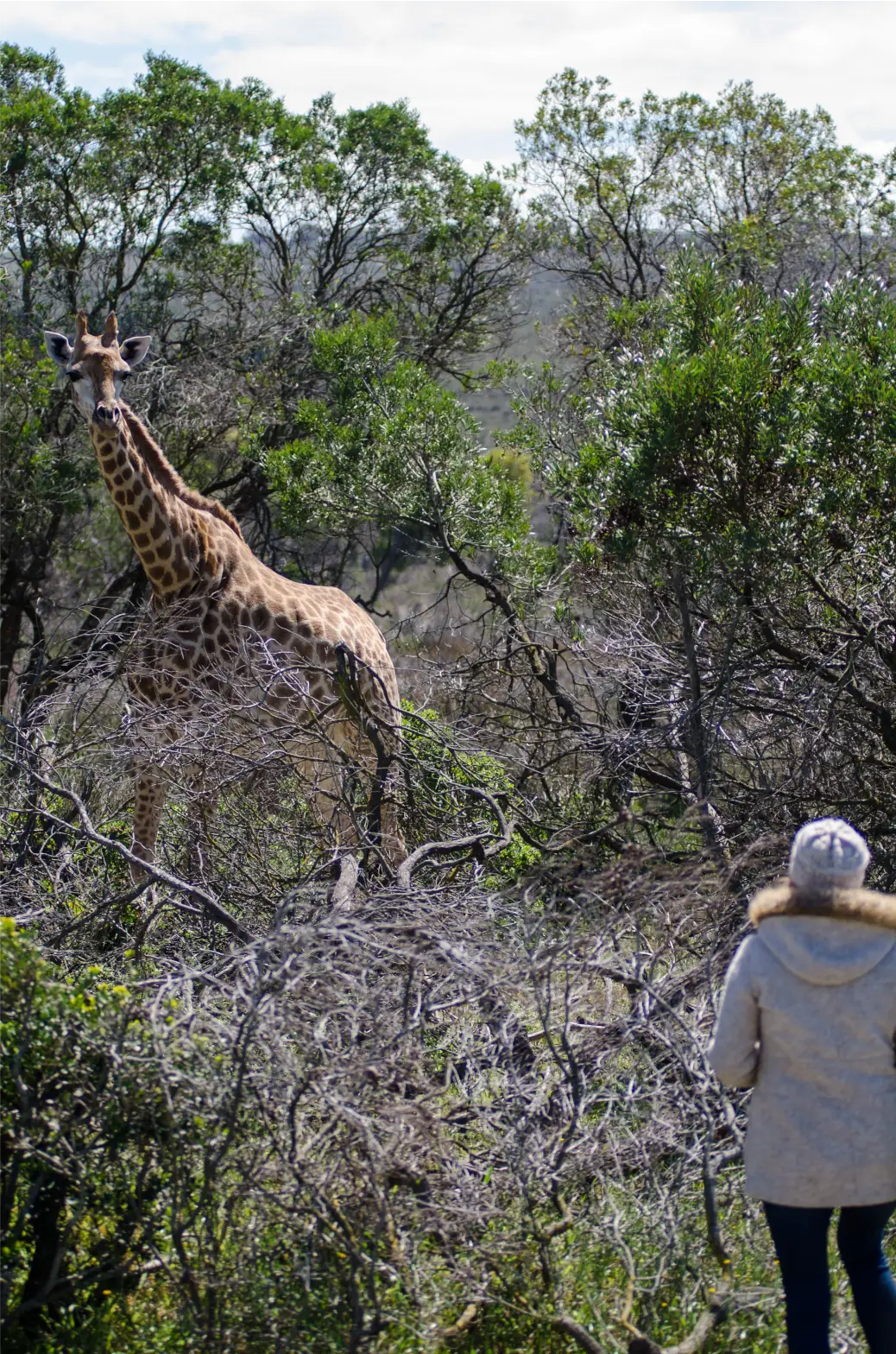
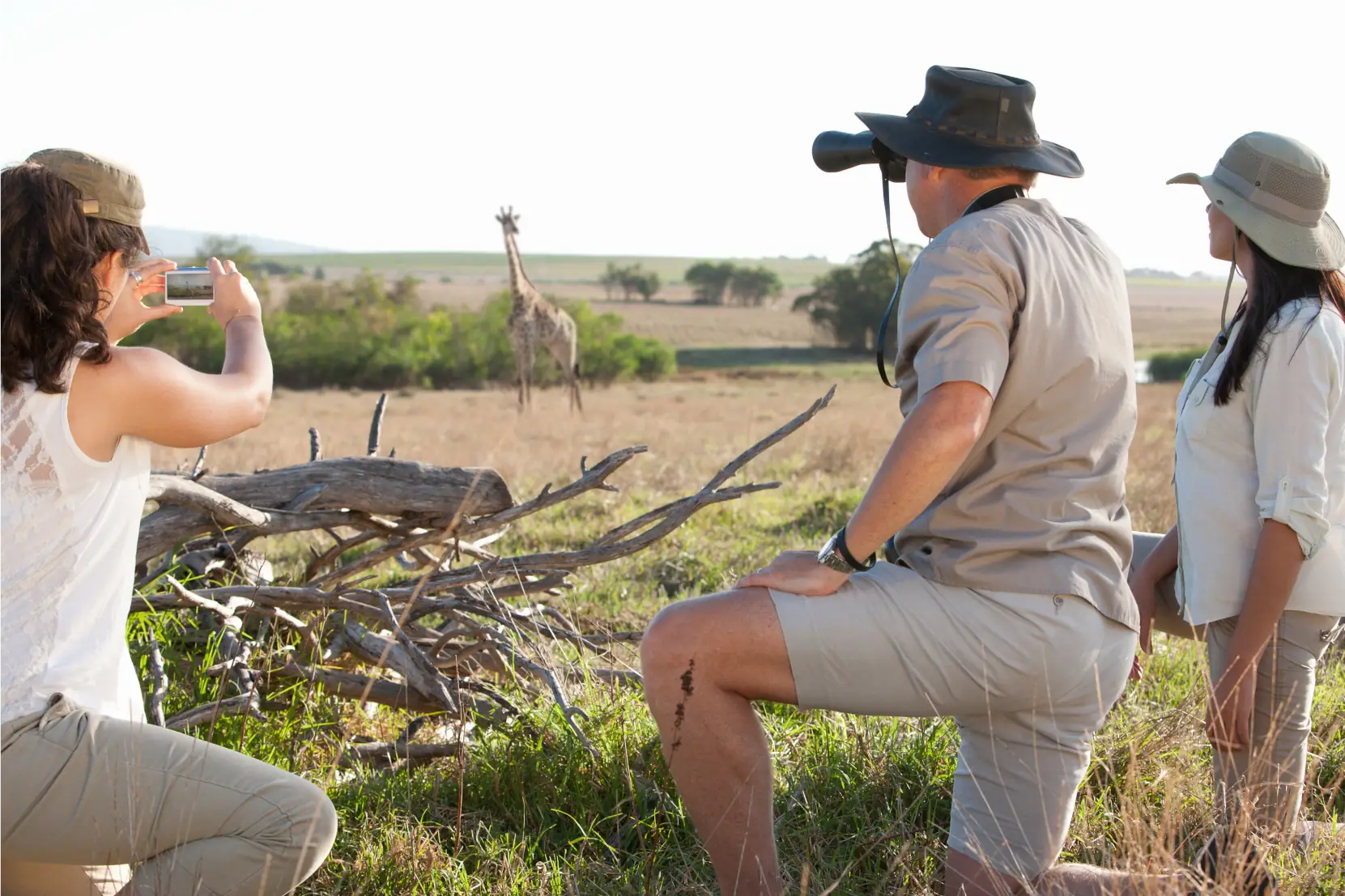
Walking safaris give you the chance to experience African wildlife and feel truly immersed in nature. Instead of watching from a vehicle, you explore the bush on foot with an expert guide and trained rangers, moving slowly and intentionally through the landscape. This pace lets you notice birdsong, footprints, insects, plants, and animal behaviour that are easily missed from afar. Walking safaris are available in places like Kruger National Park, Hwange National Park and the Okavango Delta, each offering its own unique terrain and wildlife encounters. We always recommend travellers include at least one walking safari as part of their journey because this experience is very different from a game drive and leaves many people with memories they can’t get anywhere else.
What Is a Walking Safari?
A walking safari is a guided experience where you explore the wilderness on foot instead of by vehicle. With your nature guide and certified park rangers by your side and sometimes armed scouts in areas with big game, you walk through the bush at a steady, comfortable pace. This allows you to discover plant life, insect species, animal tracks, bird calls, and smaller wildlife that aren’t easily seen from a 4×4. Every walk is designed to be safe and informative. Before you begin, your guide shares a safety briefing and explains what to expect, how to behave around wildlife, and how to stay aware of your surroundings.
Expert Guides & Safety
Safety is central to the walking safari experience. Every walk is led by guides with deep knowledge of animal behaviour and terrain, supported by rangers or scouts whose job is to help keep you safe while you explore. Before each walk, your guide briefs you on how to walk, where to stand, when to stop, and how to behave around wildlife. You’ll also learn about how animals use tracks and scents, so you stay respectful and alert in their environment.
-
Wildlife You May Encounter
Walking safaris bring you face-to-face with the subtle rhythms of the bush and the small wonders that are often missed from a vehicle.
Depending on the location, season, and pace of your walk, you may encounter:
-
Elephant families feeding or moving through open plains
-
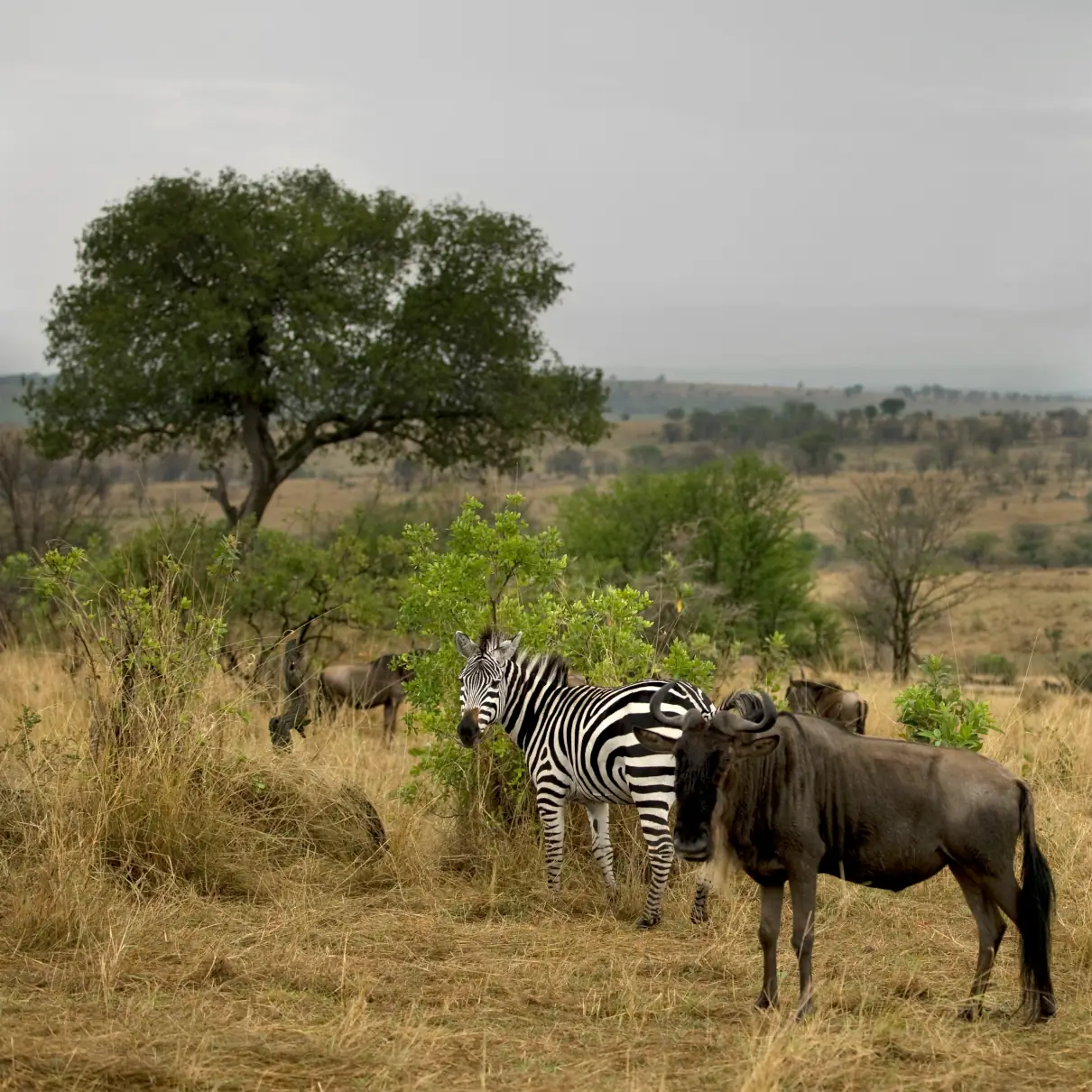
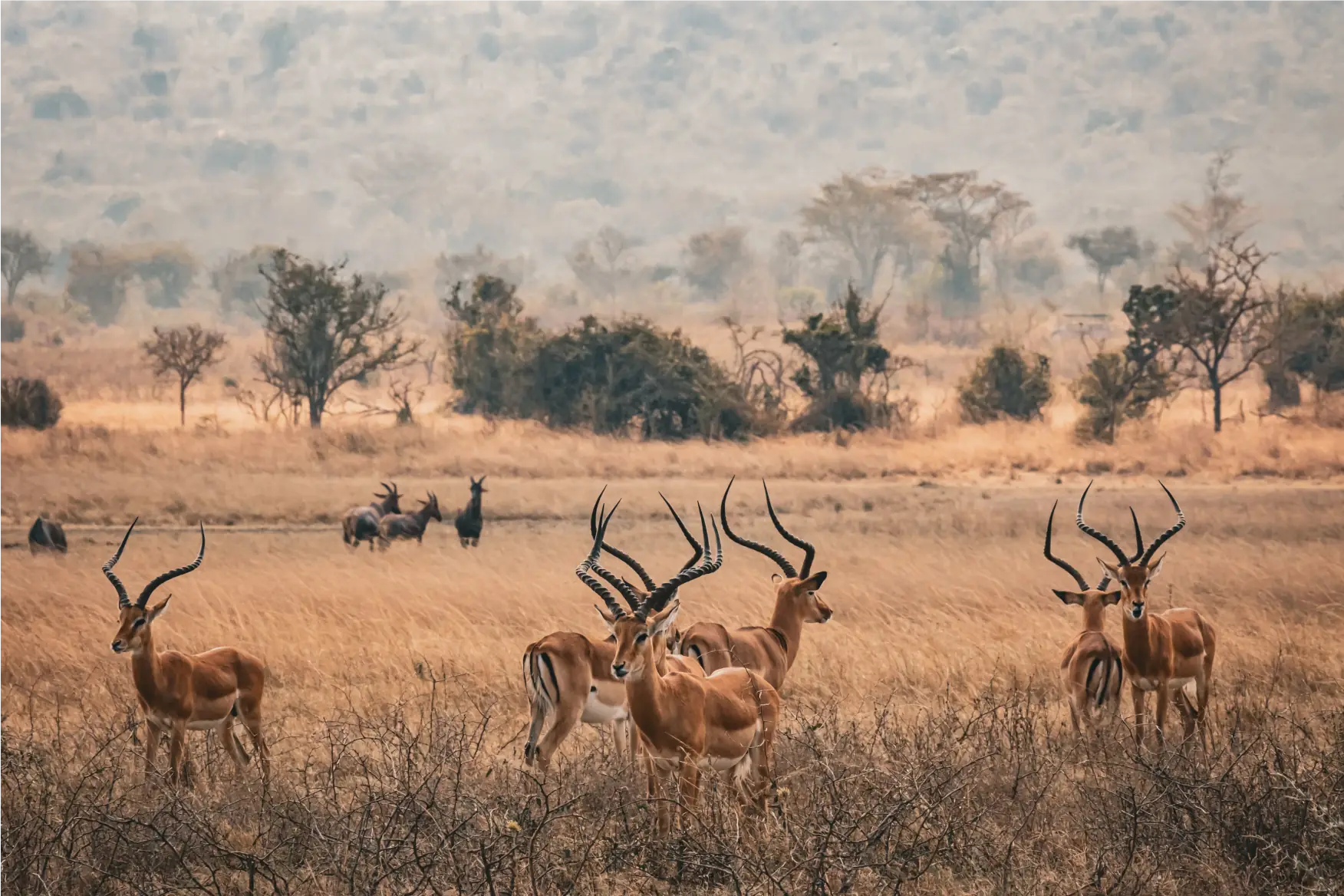
Buffalo and antelope grazing quietly in shaded grass
-
Tracks and signs of big cats, hyena, and wild dog — visible on the ground
-
Birdlife from tiny songbirds to majestic raptors overhead
-
Reptiles and amphibians sunning on rocks or hiding in the grass
-
Insects and spiders that play critical roles in the ecosystem
Because you’re on foot, your guide can interpret animal tracks, droppings, and subtle sounds, turning each step into an educational encounter. These are the moments that often make walking safaris feel deeply connected to the land.
-
-
Who This Experience Is For
Walking safaris are especially memorable for travellers who want a personal, immersive, and thoughtful encounter with nature.
This experience is ideal for:
-
Nature lovers who enjoy observation at a relaxed pace
-
Birdwatchers keen to spot species in their natural habitat
-
Photographers searching for close-up wildlife and landscape shots
-
Active travellers who enjoy light activity and exploration
-
Families with older teens who can keep pace and appreciate the adventure
-
First-time safari visitors seeking a different kind of wildlife experience
No intense fitness is required; most walking safaris are gentle, purposeful, and adapted to your comfort and interests.
-
-
Best Time for Walking Safaris
Walking safaris are rewarding all year, but some seasons offer advantages that make the experience even more engaging.
Dry Season (May to October)
✔ Cooler temperatures make walks more comfortable
✔ Vegetation is thinner, making wildlife easier to see
✔ Wildlife congregates around waterholes, increasing sighting chancesThis is traditionally the most popular time and is often recommended for first-time visitors.
Wet / Green Season (November to April)
✔ Landscapes are lush and vibrant after rains
✔ Birdlife and insect activity increase noticeably
✔ Tracks can be easier to follow after light rainsDuring both seasons, early mornings and late afternoons tend to offer the best temperatures and active wildlife sightings.
Your guide can plan each day based on weather, wildlife patterns, and your comfort, helping you make the most of each walk regardless of the season.
Safari Tours Featuring Walking Safari
Safari Jewel
Classic African Safari Zimbabwe & Botswana
Breathtaking Victoria Falls
Where you can enjoy this experience
Plan Your Walking Safari
Plan yourWalking safaris are best enjoyed with the right guide, location, and timing. Let us help you include a safe, meaningful walk into your safari journey.and choose the national parks and experiences that suit you.